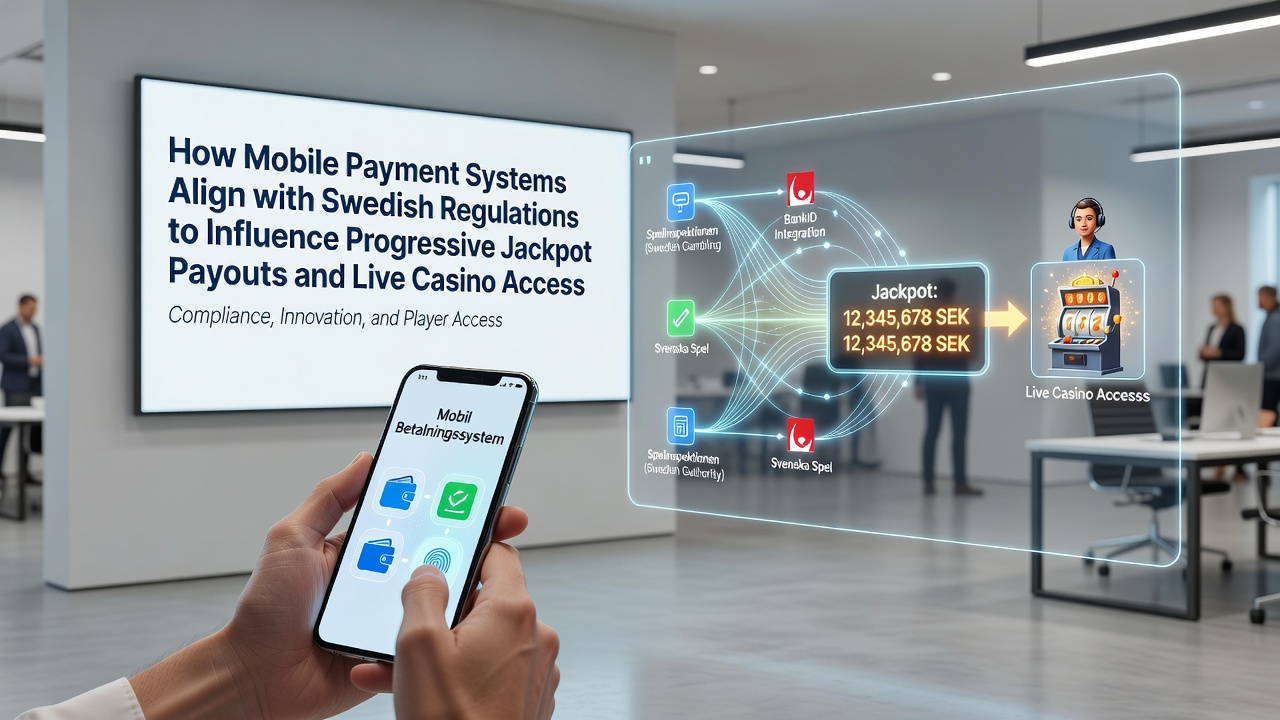
How Mobile Payment Systems Align with Swedish Regulations to Influence Progressive Jackpot Payouts and Live Casino Access
Swedish gambling rules require mobile payment systems to meet strict verification standards before they can process transactions at licensed operators, and this framework directly shapes how progressive jackpot payouts reach players while also controlling entry points for live casino environments. Operators must integrate payment methods that support real-time identity checks through BankID or equivalent tools, and these requirements filter which services can handle the high-volume transfers associated with jackpot wins that accumulate across networked games.
Swedish Regulatory Framework for Mobile Transactions
The Spelinspektionen enforces licensing conditions that tie mobile payment providers to ongoing compliance audits, and these audits examine transaction speed, fee structures plus anti-money laundering protocols that apply equally to jackpot distributions and routine deposits for live dealer sessions. Data from official records shows that payment processors failing to maintain segregated player funds or to flag suspicious patterns face license revocation, which in turn restricts the number of platforms that can offer progressive jackpots linked across multiple sites.
Regulations introduced in prior years set clear thresholds for transaction reporting, and by August 2026 further updates are scheduled to tighten cross-border payment verification while leaving domestic instant transfer options largely intact. This timeline means operators planning jackpot network expansions must already align their mobile gateways with the forthcoming rules to avoid payout delays once the changes take effect.
Impact on Progressive Jackpot Payouts
Progressive jackpots grow through pooled contributions from every qualifying bet, yet Swedish rules require that payout mechanisms using mobile systems complete verification within defined time windows before funds are released. Systems that route payments through approved Swedish banks or fintech partners approved by the authority can deliver winnings faster, while those relying on slower international rails encounter additional holds that extend the interval between win confirmation and player receipt.
Research conducted by European gaming associations indicates that platforms using compliant mobile solutions experience fewer payout disputes, and this stability encourages more operators to connect their jackpot meters to shared networks. Transaction logs reveal that average payout processing times drop when BankID-linked wallets handle the final transfer, because the same identity layer already satisfies regulatory checks for large-sum movements.
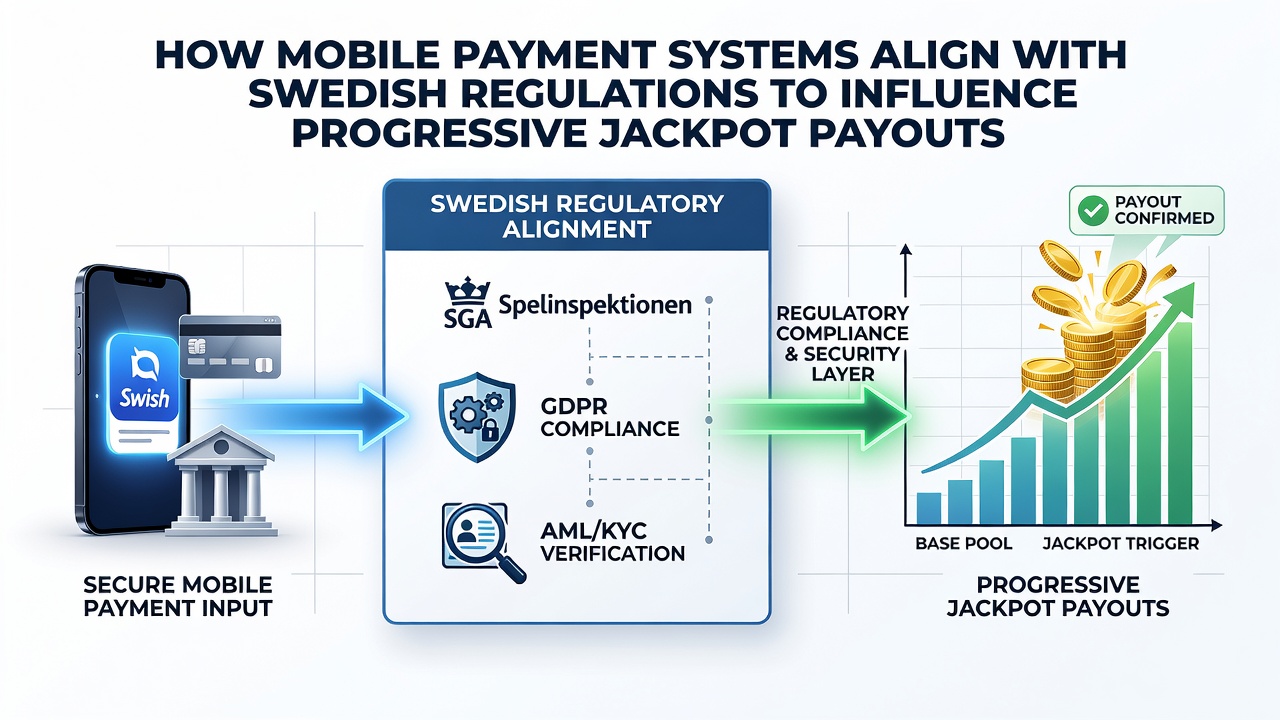
Fees charged by non-compliant processors can erode jackpot pools over time, whereas regulated mobile options cap such deductions, preserving more of the accumulated total for the eventual winner. Observers note that operators who switched to fully aligned payment rails recorded measurable increases in jackpot hit frequency during the first year after migration.
Influence on Live Casino Access
Live casino tables require continuous session management and real-time balance updates, and mobile payment systems that satisfy Swedish regulations enable seamless top-ups without interrupting dealer interaction. Players using approved instant transfer methods maintain uninterrupted access because deposits clear before the next hand or spin begins, whereas non-aligned services trigger mandatory pauses for manual review.
Statistics compiled by industry monitoring groups show higher session durations on platforms that embed regulatory-compliant mobile wallets directly into their live lobbies. These integrations also support age and location verification at the payment layer, which reduces the need for separate login checks and therefore speeds entry into live dealer rooms.
Operators that fail to update their payment stack ahead of the August 2026 adjustments risk temporary suspension of live game offerings, because the authority can mandate that any unverified transaction channel be disabled until audits conclude. This creates a direct link between payment compliance and the availability of live blackjack, roulette and baccarat streams for Swedish users.
Technical Alignment Requirements
Mobile payment providers must demonstrate API compatibility with Spelinspektionen-approved monitoring systems, and this technical layer records every deposit and withdrawal tied to jackpot contributions or live table wagers. Encryption standards mandated for data in transit match those required for financial institutions, which raises the barrier for smaller fintech entrants yet ensures consistent audit trails across all licensed sites.
Case examples from operators that completed full integration show that once mobile systems pass initial certification, ongoing reporting becomes largely automated, freeing compliance teams to focus on game fairness testing rather than manual transaction reviews. This shift has allowed some platforms to expand their progressive jackpot offerings without proportional increases in administrative overhead.
Conclusion
Swedish regulations create a controlled environment where only mobile payment systems meeting verification, reporting and security benchmarks can facilitate progressive jackpot payouts and grant access to live casino content. The scheduled refinements expected by August 2026 will further standardize these processes, and operators that maintain alignment continue to deliver uninterrupted services while those falling short face restricted functionality. Data from regulatory filings and industry reports confirms that compliance at the payment level remains the decisive factor determining both payout efficiency and live game availability for players in Sweden.